Blake Schmitz · 13 September 2026
Nordic Energy Shifts Spark Fresh Alpine Conservation Tactics in Policy Circles
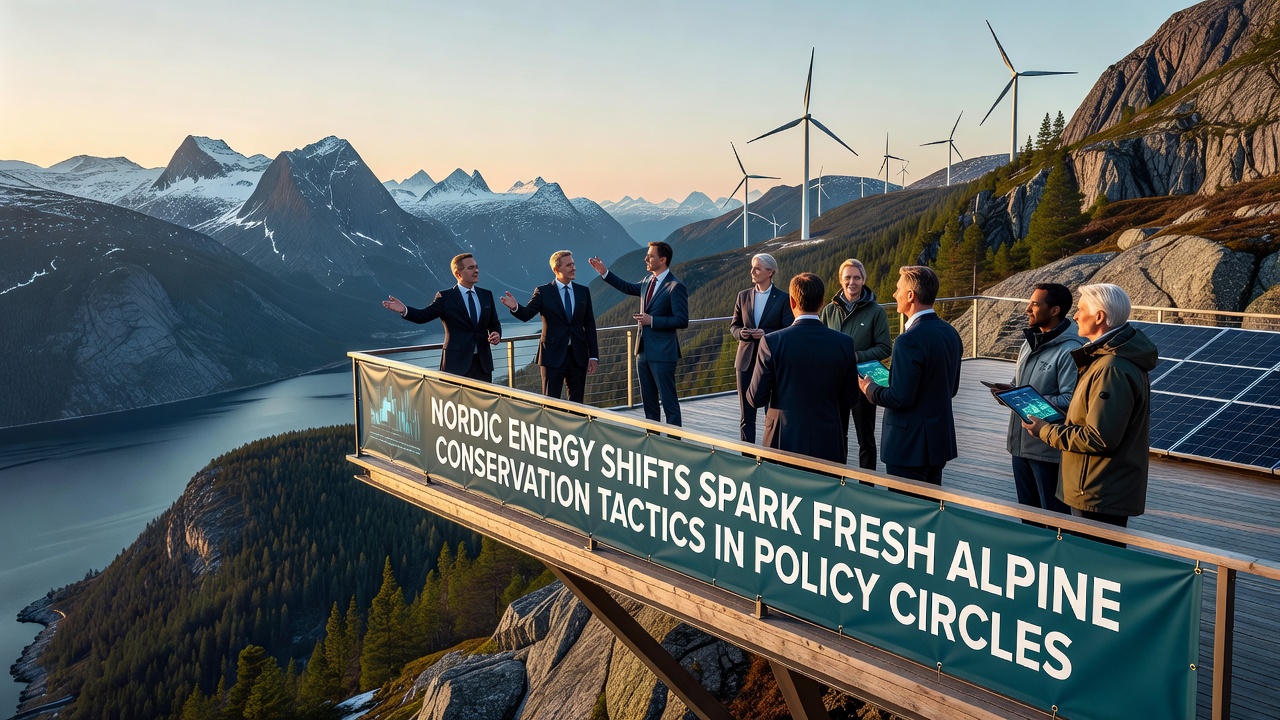
Policy discussions across Europe have intensified around Nordic countries' accelerated transition toward expanded renewable capacity, with Norway and Sweden reporting record additions of onshore and offshore wind installations through mid-2026, while Denmark continues to scale its offshore wind output under updated national targets. These developments coincide with renewed attention in Alpine nations where governments and regional authorities examine how similar energy strategies might intersect with longstanding habitat protection mandates in mountain ecosystems.
Energy Production Data from Nordic Markets
Statistics released by national energy agencies show Norway generated over 150 terawatt-hours from hydropower and wind combined in the previous calendar year, with wind contributing a growing share that reached 12 percent of total domestic production by early 2026. Sweden recorded parallel growth after commissioning several large wind clusters in northern counties, and data from the International Energy Agency indicates Nordic grid interconnections now facilitate greater cross-border flows that stabilize supply during variable wind periods. Observers note these patterns have prompted Alpine policy teams to review their own permitting processes for renewable projects located near protected zones.
Alpine Conservation Frameworks Under Review
Alpine states including Austria and Switzerland maintain extensive networks of nature reserves and biosphere areas governed by the Alpine Convention, an international agreement that sets standards for land use and biodiversity safeguards. Recent policy papers circulated in September 2026 highlight how Nordic approaches to environmental impact assessments for wind farms could inform updates to Alpine permitting timelines, particularly where projects overlap with migratory bird corridors or sensitive forest habitats. Researchers at several European universities have compiled comparative case studies showing that streamlined consultation procedures in Nordic jurisdictions reduced average approval periods by approximately 18 months without measurable increases in reported ecological incidents.
September 2026 Policy Meetings and Outcomes
During September 2026 sessions held in Innsbruck and Geneva, representatives from Nordic energy ministries joined Alpine environmental officials to discuss joint monitoring protocols for large-scale infrastructure. Minutes from those gatherings record commitments to pilot shared data platforms that track turbine-related wildlife interactions alongside hydropower reservoir management practices already established in mountainous terrain. Participants also examined regulatory models that balance accelerated renewable deployment with mandatory set-aside zones for endemic species, drawing on existing Norwegian legislation that requires compensatory habitat restoration for every new wind installation exceeding 10 megawatts.
Emerging Tactics in Land-Use Planning
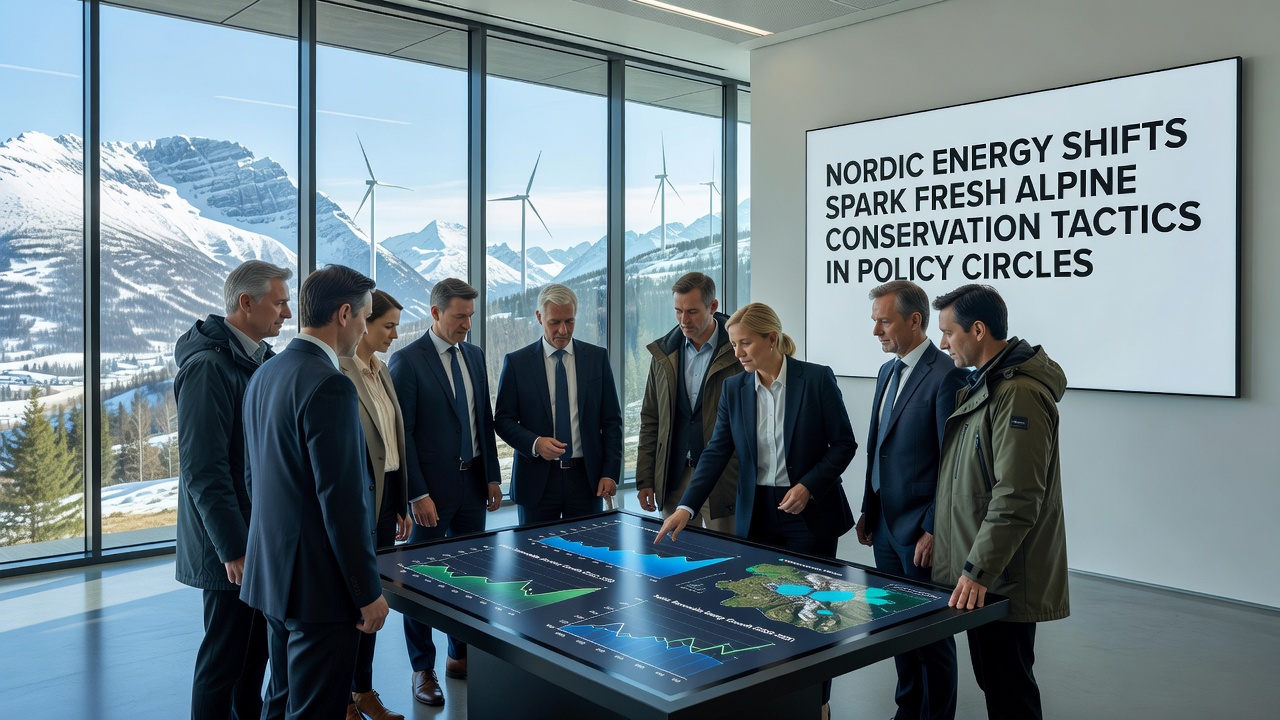
Policy analysts have documented several specific measures gaining traction in both regions, such as mandatory multi-season biodiversity baseline surveys prior to project approval and the use of dynamic curtailment algorithms that reduce turbine operation during peak wildlife activity windows. In the Alps these tactics build on existing spatial planning tools that designate exclusion areas around high-value wetlands and old-growth stands, while Nordic counterparts have refined similar tools through iterative updates to their national renewable energy roadmaps. Evidence collected by the European Environment Agency shows that regions applying combined siting and operational restrictions experienced lower rates of reported species displacement compared with earlier project cohorts developed before 2020.
Grid Integration and Cross-Border Considerations
Transmission infrastructure upgrades form another shared focus, with Nordic operators expanding high-voltage direct current lines to accommodate growing wind volumes and Alpine utilities studying comparable reinforcements that could support future pumped-storage additions. These engineering discussions occur alongside legal reviews of how existing EU renewable directives intersect with national conservation statutes, prompting some jurisdictions to propose legislative amendments that codify faster permitting for projects demonstrating net-positive biodiversity outcomes through verified offset programs. Data compiled through 2026 indicates that early adopters of such offset frameworks in Nordic counties achieved measurable gains in local habitat connectivity metrics within three years of project commissioning.
Conclusion
Coordination between Nordic energy expansion and Alpine conservation planning continues through established multilateral channels, supported by accumulating operational data and joint technical assessments. The approaches under consideration reflect iterative refinements to permitting, monitoring, and mitigation practices that both regions have tested at scale, with further exchanges scheduled through 2027 to evaluate long-term ecological and energy-system performance.