Frankie Lorenz · 2 September 2026
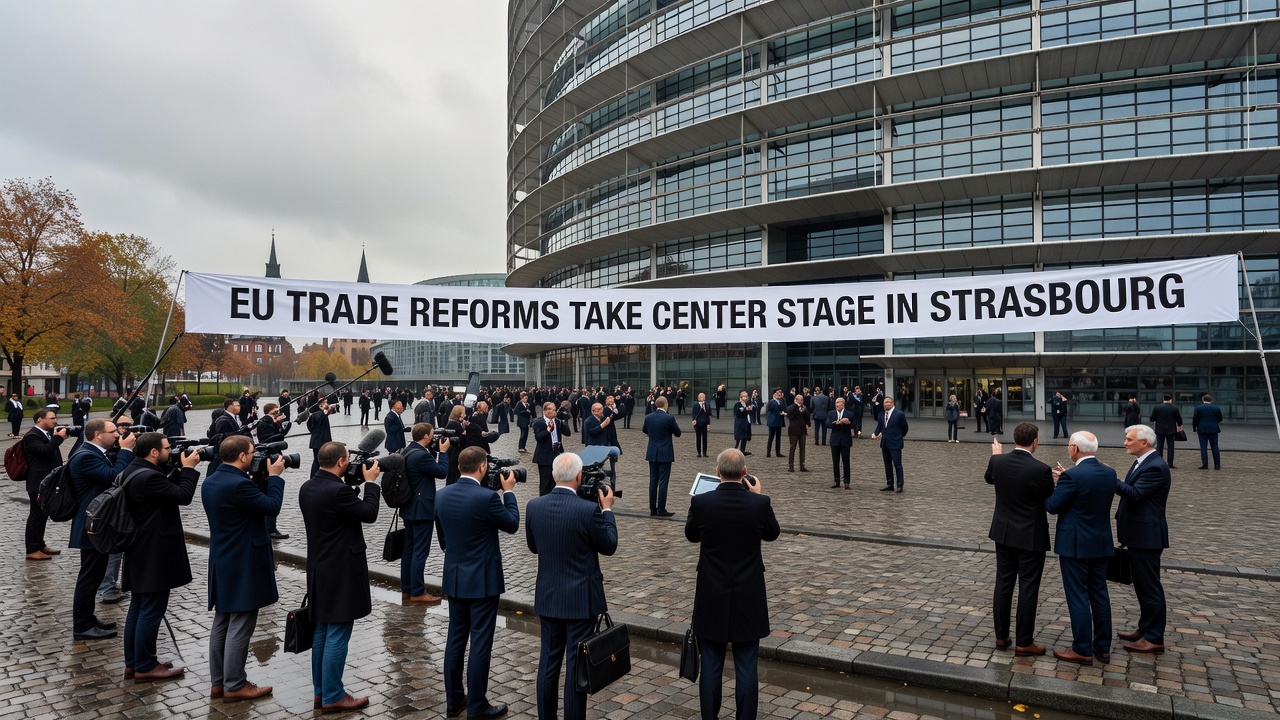
European Union officials convened in Strasbourg this week to deliberate on comprehensive trade policy reforms aimed at strengthening the bloc's economic resilience amid global uncertainties. Discussions centered on updating tariff structures, enhancing sustainability standards, and navigating tensions with major trading partners including the United States and China. Lawmakers emphasized the need for policies that balance open markets with protective measures for European industries.
Core Elements of Proposed Reforms
Central to the talks were proposals to revise the EU's carbon border adjustment mechanism, ensuring it aligns with World Trade Organization rules while curbing emissions from imports. Delegates also examined ways to diversify supply chains, reducing reliance on single-source suppliers for critical materials such as semiconductors and rare earth elements. Additional measures included incentives for green technology exports and stricter enforcement against unfair subsidies by non-EU nations. Participants highlighted data from recent economic reports showing that targeted reforms could boost intra-EU trade by up to 15 percent over the next five years. Concerns were raised about potential impacts on smaller member states, prompting calls for transitional support funds. The session featured input from trade experts who stressed the importance of digital trade agreements to facilitate e-commerce growth across borders.
Potential Impacts on EU Economies
Analysts project that successful implementation of these reforms would enhance the EU's negotiating position in future bilateral deals, particularly in sectors like agriculture and automotive manufacturing. However, some representatives warned of short-term disruptions to existing trade flows, advocating for phased rollouts to mitigate risks. Focus also turned to collaboration with African and Asian partners through updated partnership agreements that prioritize fair labor practices and environmental protections. Overall, the Strasbourg meetings underscored a shift toward strategic autonomy in trade, with consensus emerging on the need for unified EU stances in international forums. Follow-up sessions are scheduled to refine legislative texts before parliamentary votes later this year, reflecting ongoing efforts to adapt to evolving geopolitical landscapes while fostering sustainable economic growth.