Blake Schmitz · 2 September 2026
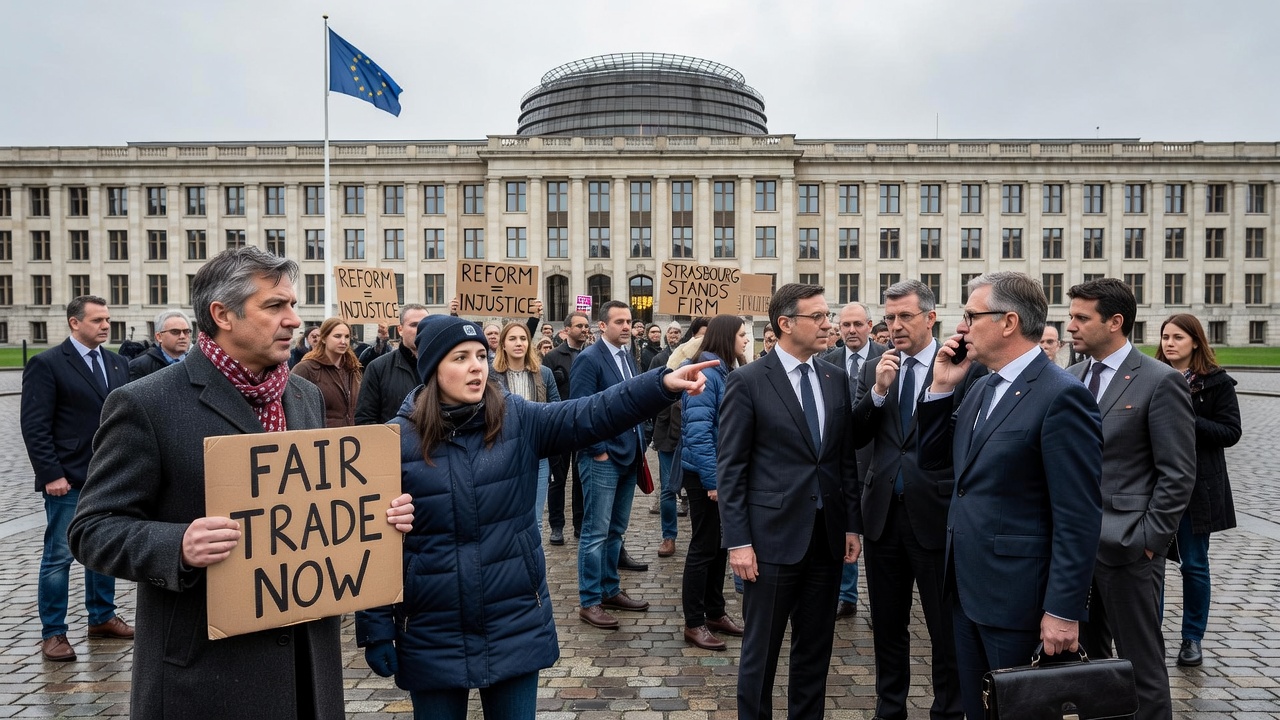
European policymakers gathered in Strasbourg this week to discuss comprehensive reforms to the EU's trade policy framework. The sessions focused on adapting regulations to global economic shifts while maintaining the bloc's commitment to sustainable development and fair competition. Officials emphasized the need for updated agreements that address digital commerce and environmental standards.
Key Proposals on the Table
Among the main proposals were adjustments to tariff structures for agricultural imports and enhanced provisions for technology transfers. Delegates highlighted the importance of aligning trade deals with the European Green Deal objectives. Several member states advocated for stronger enforcement mechanisms against unfair subsidies from non-EU partners. Analysts noted that these changes could reshape supply chains across key sectors including automotive and renewable energy. Discussions also covered potential revisions to the EU's position in ongoing negotiations with major trading partners such as the United States and China.
Representatives from the European Commission presented data showing recent trade volumes and projected impacts of the proposed reforms. The debates underscored divisions between northern and southern member states regarding agricultural protections. Experts suggested that a balanced approach would be essential to secure broad consensus ahead of upcoming parliamentary votes.
Implications for Member States
The reforms are expected to influence national economies differently depending on export profiles and domestic industries. Countries with strong manufacturing bases may benefit from streamlined digital trade rules while others could face challenges in traditional sectors. Long-term effects on employment and investment flows remain under review by independent economic bodies. Strasbourg meetings concluded with calls for further consultations involving industry stakeholders and civil society groups to refine the policy package before formal adoption.
Overall the talks reflect the EU's ongoing efforts to maintain relevance in a rapidly evolving global trade environment. Continued dialogue will determine the final shape of these policy adjustments in the months ahead.