Lars Klein · 2 September 2026
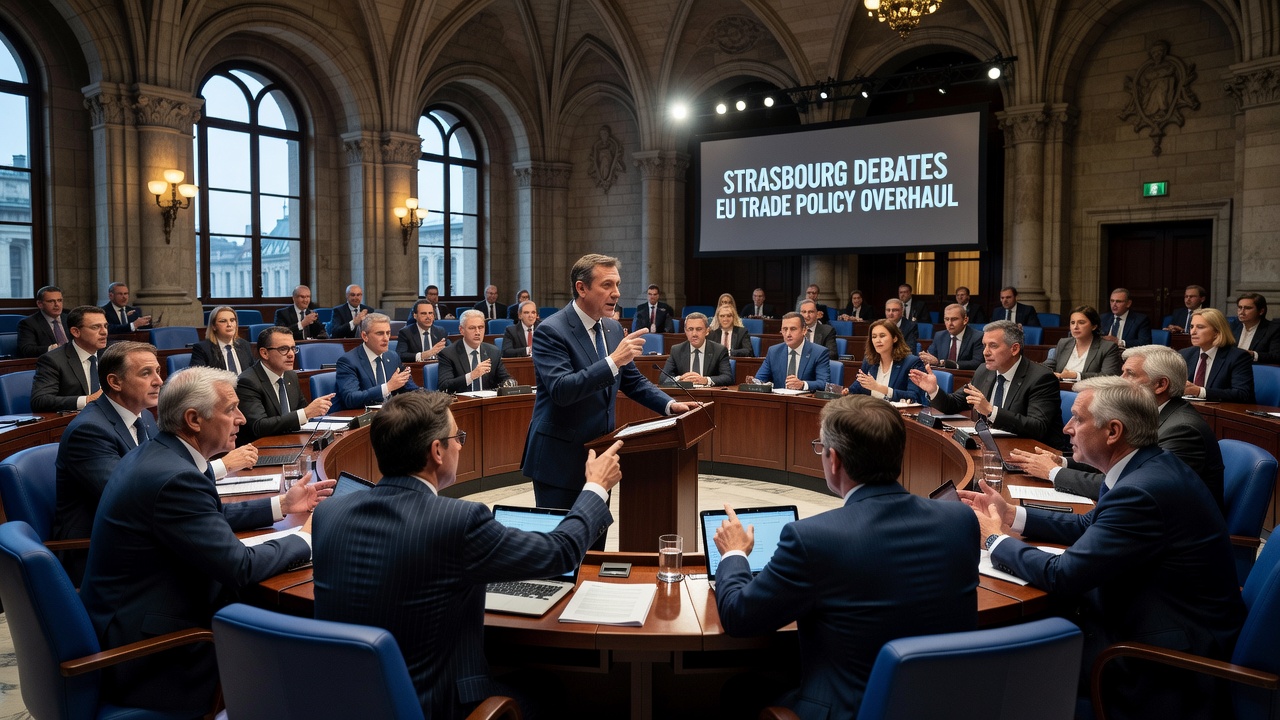
In a series of plenary sessions held in Strasbourg, members of the European Parliament engaged in detailed debates regarding the future of EU trade policy. The focus was on introducing reforms that would make trade agreements more sustainable and resilient. Key topics included the integration of green deal objectives into trade negotiations, the implementation of due diligence requirements for companies, and strategies to mitigate risks associated with over-reliance on certain suppliers. These discussions come at a critical time as the global economy recovers from pandemic effects and faces new uncertainties from international conflicts. The goal is to ensure that EU trade policy supports economic growth while promoting ethical practices worldwide. Additional emphasis was placed on digital trade rules and supply chain transparency measures.
Focus on Sustainability and Due Diligence
Proposals for enhanced sustainability criteria featured prominently in the talks. Lawmakers advocated for binding commitments on reducing carbon emissions within trade pacts. There was consensus on the importance of enforcing labor standards and preventing deforestation linked to imported goods. Industry leaders expressed support for clearer guidelines that would level the playing field for European businesses competing globally. Data presented showed potential benefits for innovation in green technologies as a result of these policy shifts. Stakeholders also reviewed mechanisms for monitoring compliance across partner countries.
Effects on Key Trading Partners
The potential effects on relationships with the United States, China, and developing nations were thoroughly analyzed. Officials stressed the need for balanced approaches that avoid trade wars while advancing EU values. Future agreements may include provisions for digital services and data flows to reflect the modern economy. The Strasbourg debates are expected to inform upcoming legislative initiatives aimed at modernizing the EU's trade toolkit for the challenges of the twenty-first century. Continued monitoring and stakeholder input will be crucial as the policy framework evolves.