Blake Schmitz · 27 September 2026
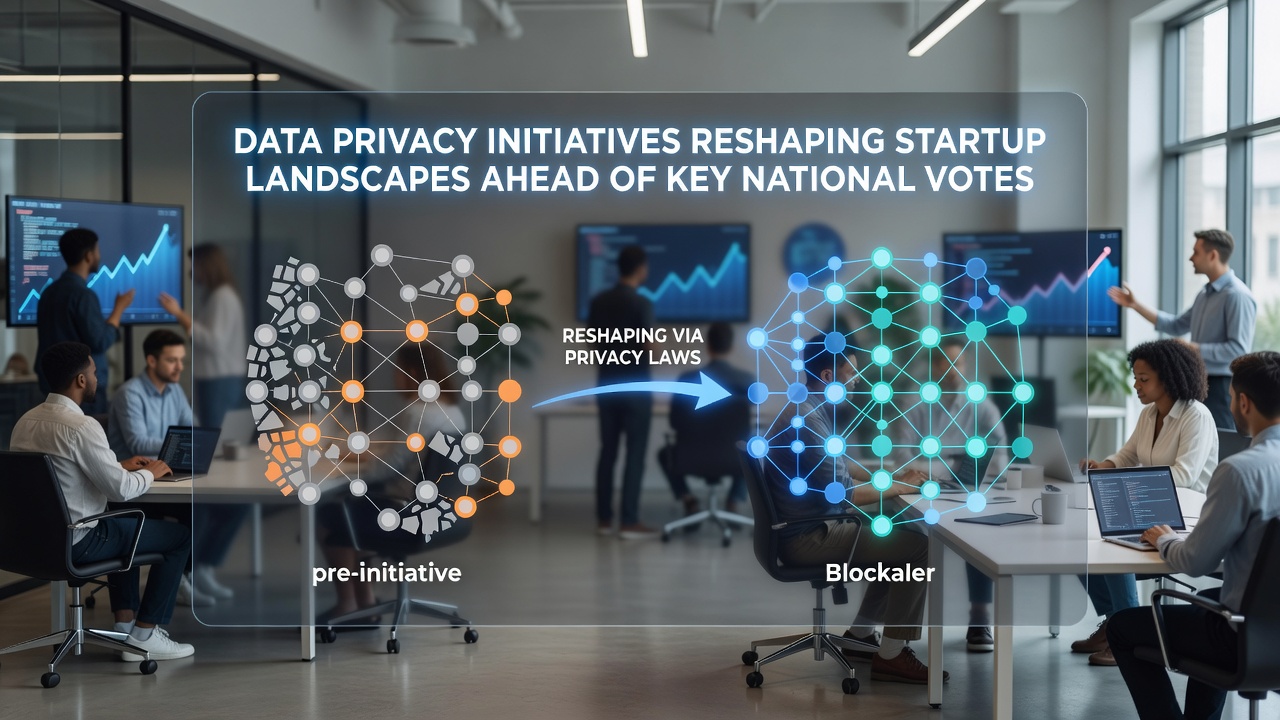
Emerging Data Protection Rules Alter Startup Ecosystems Prior to National Elections
Shifting Regulatory Frameworks Take Hold
National elections scheduled across multiple regions in September 2026 have prompted governments to advance data privacy initiatives that directly affect how startups handle user information, and these measures are prompting companies to adjust their operational strategies well in advance. Research from academic institutions shows that proposed legislation in several countries focuses on consent requirements, data minimization standards, and cross-border transfer restrictions, which in turn influence product development cycles and funding decisions for early-stage ventures.
Observers note that startups in sectors such as health technology and financial services face particular pressure because their business models often rely on large datasets, while those who've studied similar past reforms know that compliance costs can rise sharply when new rules take effect. Data indicates that venture capital firms have begun incorporating privacy audit requirements into due diligence processes, and this trend appears in reports from regulatory bodies across North America and the Asia-Pacific region.
Impact on Funding and Product Development
Startups preparing for national votes in September 2026 must navigate evolving standards that require explicit user consent before data collection occurs, and this requirement alters how teams design features from the outset. According to figures released by the Federal Trade Commission, enforcement actions related to data practices have increased in recent years, prompting founders to allocate resources toward legal review rather than rapid scaling. Those who've examined funding patterns discover that investors now prioritize companies with documented privacy protocols, which shifts capital allocation toward ventures demonstrating early compliance infrastructure.
What's interesting is how these changes intersect with election timelines, because candidates in several countries have included data governance pledges in their platforms, and this visibility encourages regulators to finalize rules before ballots open. Studies from Canadian research centers reveal that startups adapting to similar provincial laws experienced delays in market entry, yet those that integrated privacy by design from the beginning often secured additional rounds of investment. The reality is that product roadmaps now include regular privacy impact assessments, and this integration affects hiring decisions as teams add specialists in data ethics alongside engineers.

Geographic Variations and Industry Responses
Different jurisdictions approach these initiatives with distinct emphases, and startups operating across borders must reconcile conflicting requirements before the September 2026 votes finalize policy directions. Australian government agencies have published guidance on data breach notification timelines that align with proposed national reforms, while European counterparts continue to refine enforcement mechanisms that influence how non-EU companies structure their data flows. Researchers discovered that companies with operations in multiple regions often establish separate data processing entities to isolate risks, and this structural adjustment appears in industry reports from trade associations.
But here's the thing: small teams without dedicated legal departments encounter steeper challenges when attempting to interpret overlapping rules, and this disparity creates opportunities for specialized consulting services that assist with compliance documentation. Evidence suggests that collaborative platforms have emerged where founders share templates for privacy policies, and these networks reduce duplication of effort across the startup community. Observers note that academic studies tracking startup survival rates post-regulation show mixed outcomes, with some firms pivoting to less data-intensive models while others expand into privacy-enhancing technologies that become core offerings.
Case Examples from Recent Policy Cycles
Take one cohort of health-focused startups that adjusted their data handling ahead of prior national elections, and those experiences illustrate how early adaptation can preserve user trust even when new rules emerge. Figures from university-led analyses indicate that firms publishing transparent data usage reports experienced higher retention rates, and this pattern has prompted similar practices among newer entrants preparing for September 2026. Industry organizations tracking venture activity have recorded increased partnerships between startups and established privacy technology providers, which allows smaller entities to meet standards without building every safeguard internally.
Turns out that election-related policy debates also generate public awareness campaigns, and this heightened attention leads users to scrutinize data practices more closely before engaging with new services. Startups therefore integrate clearer explanations of data usage into onboarding flows, and researchers have documented corresponding improvements in user engagement metrics when such transparency is present. The ball remains in the court of founders who must balance innovation speed with regulatory readiness, yet those who've navigated previous cycles often discover that proactive measures yield long-term advantages in customer acquisition.
Conclusion
As September 2026 approaches, data privacy initiatives continue to influence startup landscapes through revised compliance expectations, altered funding criteria, and shifts in product strategy. Research indicates that companies incorporating these considerations early maintain operational flexibility, while those addressing requirements later encounter higher adjustment costs. Government sources from multiple regions provide ongoing updates that founders monitor to align development timelines with anticipated regulatory changes, and this coordination supports sustained growth amid evolving national policy environments.