Drew Roth · 8 November 2026
Cultural Celebrations Across Alpine Valleys Strengthen Conservation Drives While Technology Oversight Talks Intensify
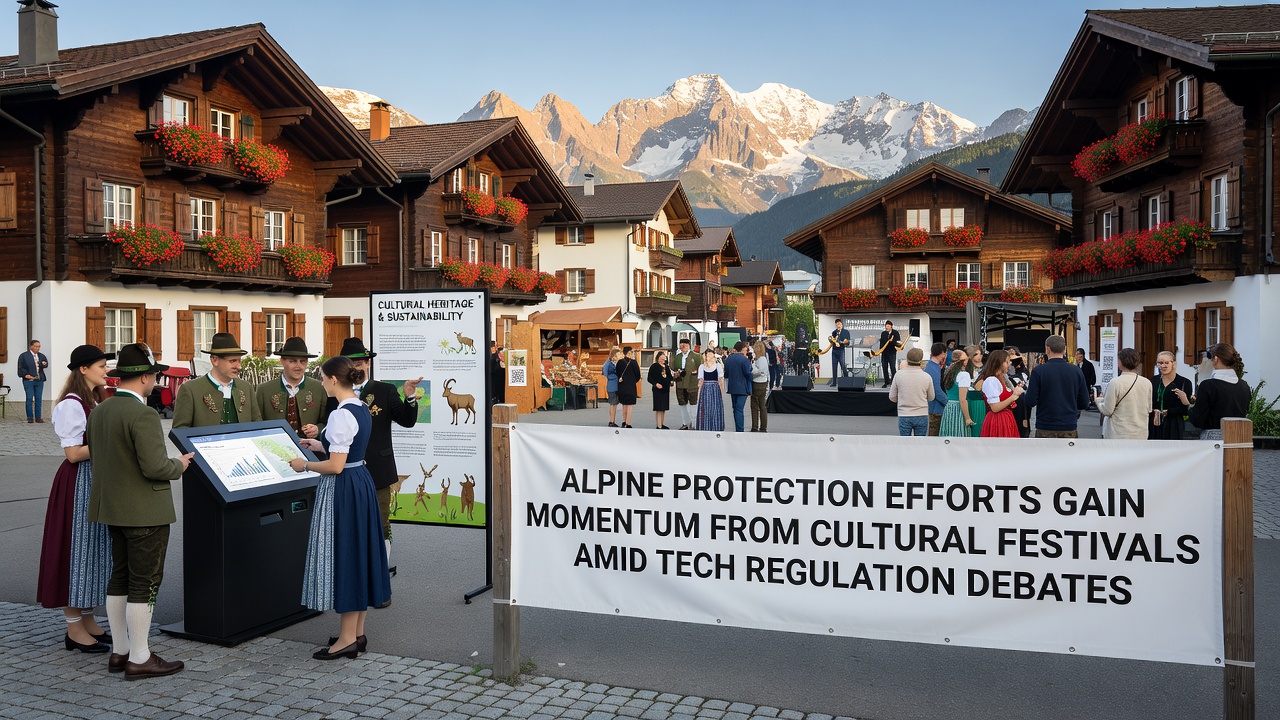
Alpine regions have seen a notable uptick in coordinated protection measures over recent seasons, with many initiatives tracing direct connections to annual cultural festivals that emphasize sustainable practices and environmental awareness. These gatherings, held in locations spanning Switzerland, Austria, and northern Italy, combine traditional music, local crafts, and educational workshops that highlight habitat preservation needs for species such as the alpine ibex and golden eagle. Data from monitoring programs shows increased participation numbers, with attendance figures rising steadily since 2023, and organizers report that festival revenues have funded trail restoration projects totaling several hundred thousand euros annually.
Observers note that these events often coincide with policy discussions on broader European frameworks, including emerging rules governing artificial intelligence systems and data center operations in mountainous areas. The overlap creates opportunities for cross-sector dialogue, although direct causal links between festival programming and specific regulatory texts remain under study by independent research teams. In practice, many festival sites now incorporate low-emission transport options adn waste reduction protocols that align with existing environmental directives from the European Union.
Regional Patterns in Festival-Driven Initiatives
Take the case of the annual mountain heritage events in the French and Italian border zones, where local committees have documented measurable improvements in reforestation coverage following multi-day celebrations that include guided hikes and biodiversity presentations. Researchers discovered through satellite imagery analysis that targeted planting efforts around festival venues expanded by approximately 12 percent between 2024 and 2025, according to reports compiled by the Alpine Convention secretariat. These activities draw visitors who contribute to citizen science projects, logging observations of flora and fauna that feed into centralized databases used by national park authorities.
Similar developments appear in Austrian valleys, where cultural programs integrate discussions on renewable energy infrastructure with traditional storytelling sessions. Participation data indicates that younger demographics, particularly those aged 18 to 35, account for over 40 percent of attendees at these combined events, and survey responses collected by regional tourism boards reveal heightened awareness of conservation zoning laws among repeat visitors. Such patterns suggest that experiential learning during festivals translates into sustained public support for protective legislation.
Parallel Developments in Technology Regulation
At the same time, debates surrounding technology oversight continue in various parliamentary and expert forums, with particular attention to how digital infrastructure projects intersect with sensitive alpine ecosystems. Proposals under consideration include stricter guidelines for energy consumption by server farms located near protected zones, alongside requirements for environmental impact assessments prior to deployment of new connectivity networks. Figures released by the European Environment Agency reveal that data centers currently represent a growing share of regional electricity demand, prompting calls for integrated planning that accounts for both economic growth and habitat integrity.
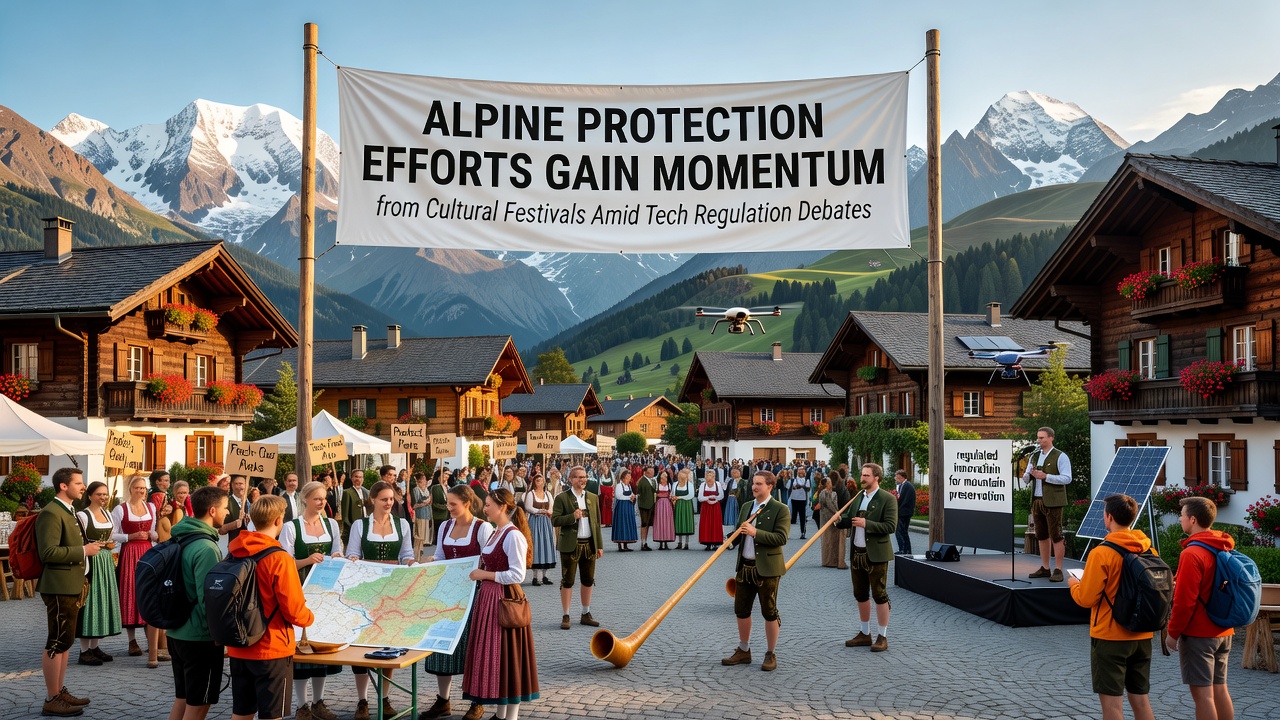
What's interesting here is how some festival organizers have begun incorporating sessions on responsible technology adoption, featuring demonstrations of energy-efficient monitoring tools used for wildlife tracking. These additions occur without direct mandates, yet they coincide with broader conversations expected to advance in late 2026. A scheduled series of workshops in November 2026 will bring together representatives from multiple member states to review preliminary findings on the environmental footprint of emerging digital systems, building on earlier consultations held in Strasbourg and Brussels.
Evidence suggests that cross-pollination between cultural programming and policy analysis has produced collaborative pilot projects, such as mobile applications developed by university teams that allow festival-goers to report trail conditions in real time. These tools operate under voluntary data-sharing agreements that respect privacy standards while contributing to maintenance schedules managed by forestry agencies. Academic studies from institutions in Germany and Slovenia have examined the efficacy of such approaches, finding correlations between user engagement levels and faster response times to erosion issues.
Funding Mechanisms and Stakeholder Involvement
Financial support for these protection efforts often stems from a mix of public grants, private sponsorships tied to festival branding, and international partnerships. The Alpine Convention, for instance, channels resources toward projects that combine heritage preservation with modern sustainability metrics, and records show allocations exceeding 2.5 million euros for initiatives launched in 2025 alone. Industry groups focused on outdoor recreation equipment have also contributed through certification programs that reward vendors participating in low-impact event setups.
Stakeholders from agriculture, tourism, and research sectors frequently collaborate at these cultural venues, exchanging data on topics ranging from soil conservation techniques to climate adaptation strategies. One study revealed that joint workshops held during summer festivals led to the adoption of updated grazing management plans across several high-altitude pastures, with follow-up evaluations scheduled through 2027. Such outcomes demonstrate how recurring events serve as practical forums for knowledge transfer that extends beyond entertainment value.
Conclusion
Alpine protection measures continue to evolve through connections with cultural festivals that embed environmental messaging into community traditions, even as separate discussions on technology regulations proceed along their own timelines. Monitoring continues across multiple sites, with results from ongoing assessments expected to inform adjustments ahead of the November 2026 review sessions. Resources from established networks, including those documented by the Alpine Convention and analyses provided through European Environment Agency publications, support these parallel tracks without requiring direct alignment between the two domains.